Kunal Shah WhatsApp CEO: Free Look at Meta’s Bold Move
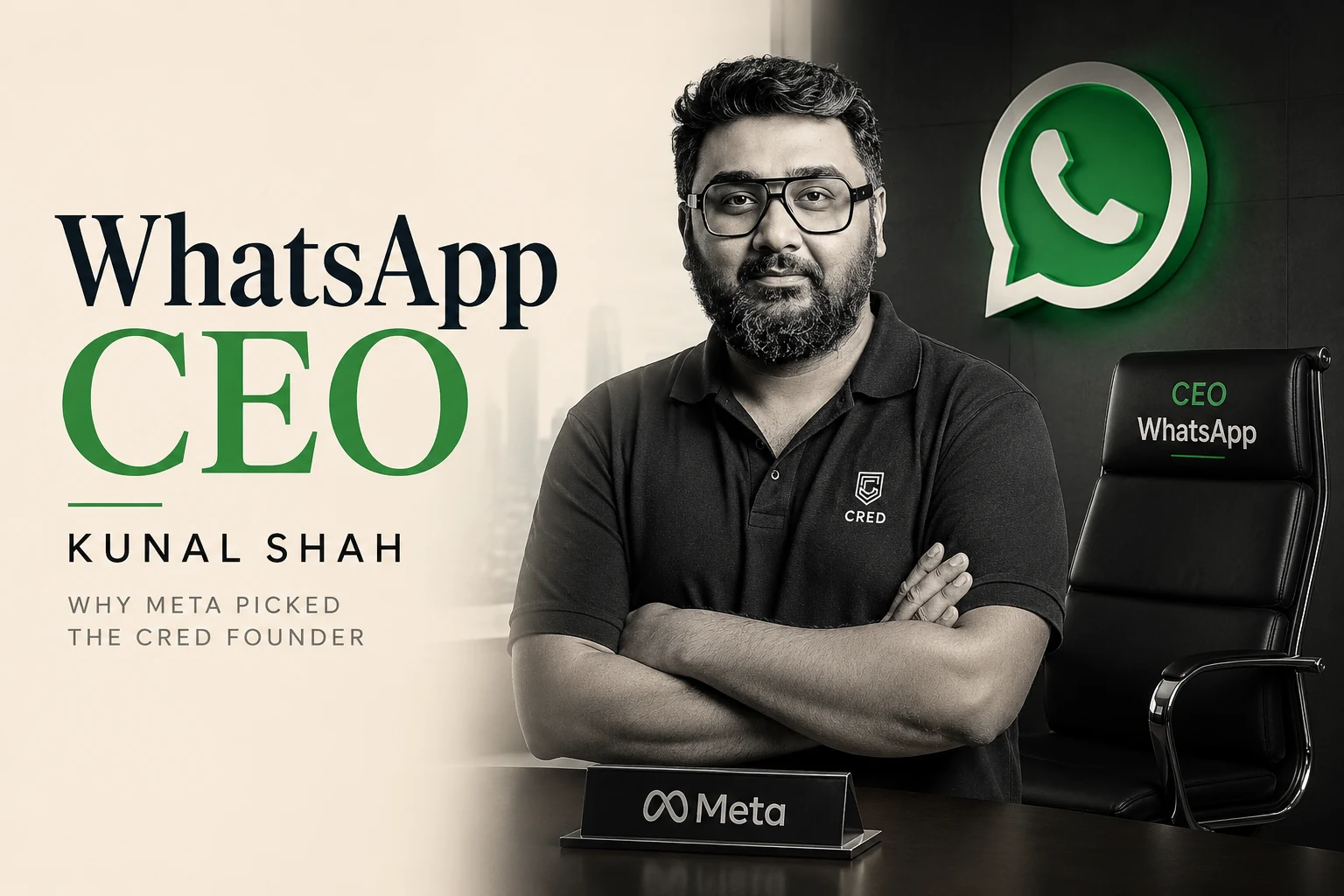
Answer capsule: kunal shah whatsapp ceo will guide WhatsApp through Meta’s $900 million investment in CRED, blending fintech expertise with social messaging. This partnership promises a new era of in‑app payments, AI‑driven commerce, and a tighter regulatory fit for India’s massive user base.
kunal shah whatsapp ceo: Who is he and why did Meta pick him?
Kunal Shah is a serial entrepreneur whose two flagship fintech ventures—FreeCharge and CRED—have reshaped how Indians pay bills and manage credit. His reputation as a “product‑first” founder, combined with a prolific angel portfolio, made him a natural fit for Meta’s ambition to monetize WhatsApp beyond advertising.
- FreeCharge (2010‑2015). Co‑founded with Sandeep Tandon, the mobile‑recharge platform was sold to Snapdeal for an estimated ₹2,800 crore (≈ $400 million)【1】.
- CRED (2018‑present). A members‑only app that rewards timely credit‑card bill payments; it now serves roughly 17 million monthly active users and processes over 40 % of India’s credit‑card bill volume.
- Angel portfolio. Shah has backed more than 200 startups, including Razorpay and Groww, giving him a panoramic view of India’s digital economy.
Meta’s product chief Chris Cox described Shah as “one of India’s most respected entrepreneurs,” emphasizing the need for a leader who can translate the country’s massive user base into sustainable revenue streams【2】.
What challenges has WhatsApp faced in monetizing its Indian user base?
India is home to over 500 million WhatsApp users, yet the platform’s revenue per user remains a fraction of Instagram’s or Facebook’s. The primary hurdles are:
- Advertising limits. WhatsApp’s end‑to‑end encryption and privacy‑first design restrict traditional ad placements.
- Payment infrastructure gaps. Before the CRED partnership, WhatsApp relied on third‑party aggregators, adding friction and regulatory exposure.
- Regulatory scrutiny. The Indian government closely monitors cross‑border data flows and fintech collaborations, demanding clear compliance frameworks【3】.
These pain points set the stage for a leadership change that can blend fintech know‑how with Meta’s global scale.
The Meta‑CRED Deal: $900 Million Investment Details
Meta’s $900 million commitment to CRED represents a minority stake of roughly 20 % at a post‑money valuation of $4.5 billion. The financing is a hybrid of primary capital (new money into CRED) and secondary purchases (shares from existing investors). Key points include:
- No board seat for Meta. The agreement does not grant Meta a governance role, preserving CRED’s operational independence.
- Data access limited. Meta will not receive direct access to CRED’s user data, a clause designed to satisfy Indian regulators.
- Strategic synergies. CRED recently secured an RBI‑approved payment aggregator license, enabling it to onboard merchants and process UPI payments directly Reserve Bank of India【3】.
- IPO preparation. The capital boost strengthens CRED’s balance sheet ahead of a projected public listing in the next 12‑18 months.
The infusion also aligns with Meta’s broader ambition to embed commerce within its family of apps. By pairing a payments founder with a stake in a licensed aggregator, Meta can experiment with end‑to‑end transactions inside WhatsApp without building the infrastructure from scratch.
How Kunal Shah’s Track Record Aligns with Meta’s Goals
| Shah’s Experience | Direct Benefit for WhatsApp |
|---|---|
| FreeCharge’s mobile‑recharge model | Proven ability to move billions of small‑value transactions at scale. |
| CRED’s loyalty and rewards engine | Can be repurposed to drive merchant engagement and user stickiness on WhatsApp. |
| Angel investments in Razorpay, Groww | Deep network with payment gateways and compliance experts. |
| Data‑driven product culture | Enables AI‑powered personalized offers, fraud detection, and conversational commerce. |
By leveraging these assets, kunal shah whatsapp ceo can accelerate the rollout of in‑app payments, merchant checkout, and even subscription services—all while keeping the core chat experience unchanged.
What the Leadership Change Means for WhatsApp in India
India accounts for the world’s largest WhatsApp user base, but monetization has lagged behind the platform’s reach. The appointment of kunal shah whatsapp ceo is a clear signal that Meta intends to close that gap.
- Payments integration. With CRED’s UPI capabilities, WhatsApp could offer in‑app bill payments, peer‑to‑peer transfers, and merchant checkout experiences—all under the same trusted brand.
- Commerce ecosystem. Brands already advertise on Instagram and WhatsApp; a native payments layer would let Meta capture both the advertising margin and the transaction margin.
- AI‑driven services. Shah’s experience in data‑rich fintech products positions him to leverage AI for personalized offers, fraud detection, and conversational commerce.
- Regulatory navigation. Having an Indian founder at the helm may smooth interactions with the RBI and the Ministry of Electronics & Information Technology, which have scrutinized cross‑border data flows【4】.
For everyday users, the transition will be gradual. Existing chat features remain unchanged, but over the next 12 months we can expect pilot programs that blend messaging, shopping, and payments—starting with select Indian cities before scaling globally.
Potential Risks and the Regulatory Landscape
While the partnership opens new revenue streams, it also introduces challenges:
- Data‑privacy concerns. Even with limited data sharing, Indian regulators may demand stricter audits under the Personal Data Protection Bill Ministry of Electronics & IT【5】.
- Competition from local players. Companies like Paytm and PhonePe already dominate UPI transactions; WhatsApp must offer compelling value to win users.
- Cross‑border scrutiny. Meta’s foreign ownership could attract additional oversight from the Ministry of Electronics & Information Technology, especially if user data is routed through servers outside India.
Mitigating these risks will require robust compliance teams, transparent data‑handling policies, and a clear roadmap for Indian‑first product development.
How to Stay Updated on This Evolving Story
The fintech‑social media crossover is still in its infancy, and new developments will surface regularly—whether it’s a pilot launch in Bangalore, a regulatory filing, or a shift in Meta’s global strategy. To keep pace:
- Follow reputable tech news outlets such as Reuters and The Economic Times for real‑time updates.
- Use our free AI blog writer to generate quick summaries of the latest announcements without a login.
By staying informed, businesses and developers can position themselves to integrate with WhatsApp’s emerging payment APIs as they become publicly available.
Key Takeaways
- Leadership. kunal shah whatsapp ceo becomes the first Indian startup founder to run WhatsApp globally.
- Financial backing. Meta’s $900 million investment in CRED secures a 20 % stake without board control or direct data access.
- Strategic focus. The move underscores Meta’s push to monetize WhatsApp through payments, commerce, and AI, leveraging India’s massive user base.
- Regulatory edge. CRED’s RBI payment aggregator license provides a ready‑made compliance framework for WhatsApp’s potential payment services.
- Future outlook. Expect phased pilots, AI‑enhanced offers, and a tighter integration of messaging and commerce over the next year.
Frequently asked questions
Meta needed a leader who understands India’s payment habits and can turn WhatsApp’s massive user base into revenue. Kunal Shah’s track record with FreeCharge, CRED, and his angel network gave him the product and market expertise Meta seeks.
Meta is investing about $900 million for an estimated 20 % minority stake in CRED, valuing the company at roughly $4.5 billion. The deal combines primary funding and secondary share purchases, with no board seat or direct data access.
Users can expect new payment and commerce features built on CRED’s UPI aggregator license. Initially, pilots will focus on bill payments and merchant checkout within the chat interface, gradually expanding to broader financial services.
Indian regulators closely monitor cross‑border data and fintech collaborations. The agreement’s clauses limiting Meta’s data access and the existing RBI aggregator license for CRED help address those concerns, but ongoing compliance will be essential.
Meta has indicated a 12‑month rollout window, starting with pilot programs in major Indian metros such as Mumbai, Delhi, and Bengaluru before a wider national release.
Sources
Share this article
Send it to a teammate or save the link for later.
Related tools
Related articles
Best Free ChatGPT Alternatives 2026 – Free, Tested Guide
Discover the best ChatGPT alternatives in 2024. Compare Claude, Gemini, Perplexity, Copilot, Mistral, DeepSeek and more—free options, coding power, research
Read article
Anthropic Claude Max Lawsuit: Proven 20x Claims Explained
Anthropic Claude Max lawsuit says the 5x and 20x plans give far fewer tokens than advertised. See the claims, token limits, and if upgrading is worth it.
Read article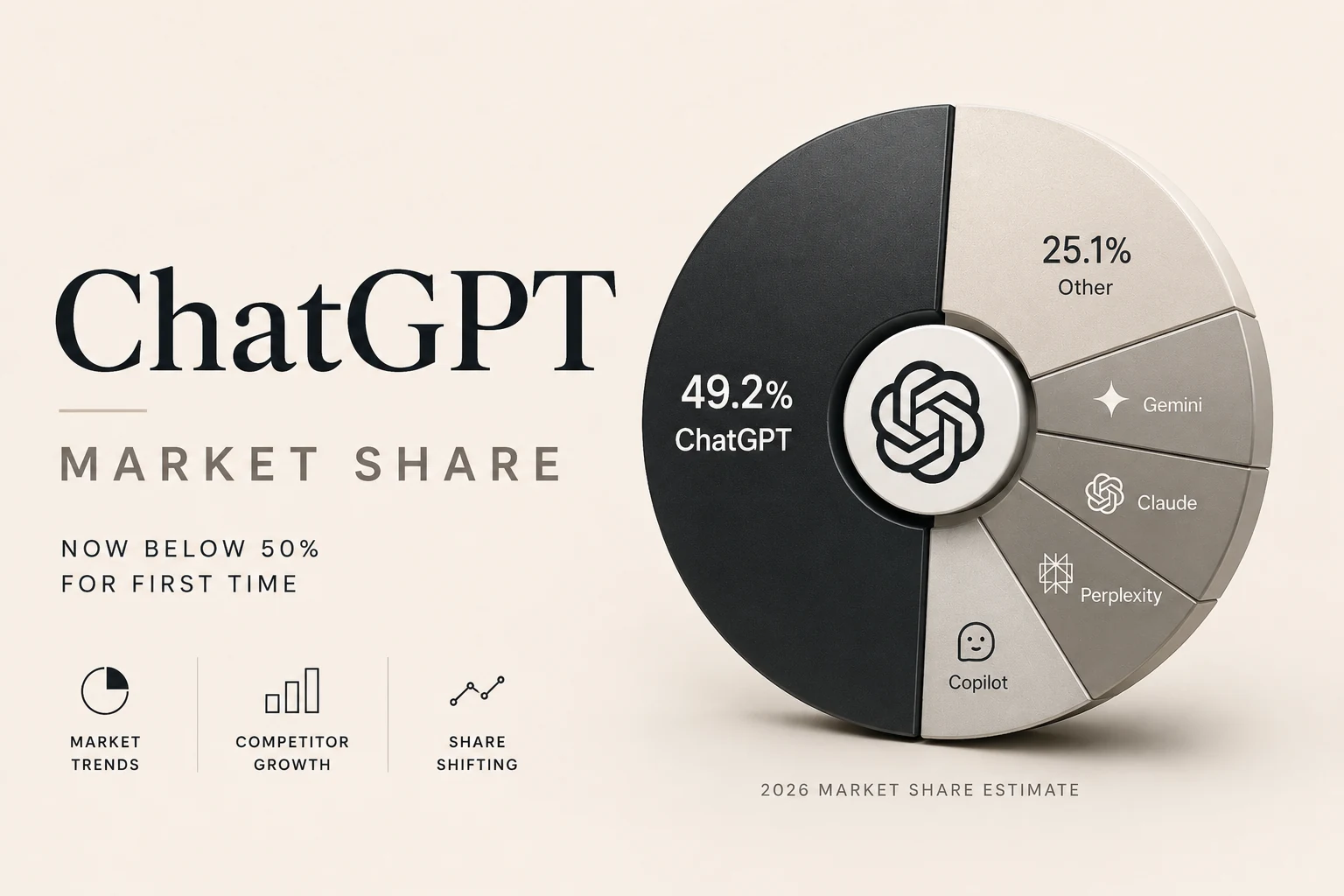
ChatGPT Market Share 2026: Free Look at the AI Landscape
Explore the chatgpt market share 2026 as it falls below 50%. See Sensor Tower data, Gemini’s rise, Claude’s growth, and what it means for users today online.
Read article