AI Business Ideas: The Ultimate Profit Playbook for 2026


AI business ideas unlock fast‑track profitability in 2026 by swapping manual effort for repeatable, data‑driven processes. When a founder targets a single workflow bottleneck, the service can command subscription fees, deliver measurable ROI, and scale without massive capital.
Why AI Business Opportunities Are Booming in 2026
- Rapid adoption: A recent analysis of over 500 AI‑enabled startups shows that 68% secured seed funding within the first six months, underscoring investor appetite for proven use‑cases
shopify.com.
- Productivity gains: Companies that integrate AI‑generated ad copy report click‑through‑rate lifts of 20%–30%, translating directly into higher sales pipelines
- Lower entry barriers: No‑code platforms and pre‑trained models let solo founders launch with under $5,000 in initial spend, a fraction of traditional software development costs.
These trends mean that the right AI business idea can move from concept to cash flow in under three months.
Which AI Business Ideas Have the Highest ROI?
Below are the five most profitable niches identified across the sources listed, each backed by real‑world performance data.
| Niche | Core Value Proposition | Typical Revenue Model | Proven Impact |
|---|---|---|---|
| AI‑Generated Product Descriptions | Write SEO‑optimized, conversion‑focused copy in seconds. | SaaS subscription ($29‑$199/mo) + per‑item pricing. | 30% average increase in conversion rates for e‑commerce sitesshopify.com |
| AI‑Powered Ad Copy Generator | Produce high‑CTR ad variants for Google, Facebook, LinkedIn. | Pay‑per‑use credits or monthly bundle. | Users see 20%‑30% lift in click‑through ratesshopify.com |
| AI Meeting Notes Summarizer | Convert audio/video meetings into concise, searchable notes. | Tiered subscription with transcription minutes. | Reduces meeting‑follow‑up time by up to 50% (internal case studies). |
| AI Customer Support Chatbot | Offer 24/7, context‑aware assistance with escalation to human agents. | Monthly active user (MAU) pricing. | Companies report 40% reduction in support tickets. |
| AI Content Planner & Writer | Generate editorial calendars, blog drafts, and SEO outlines. | Hybrid SaaS + per‑article fee. | Content teams cut research time by 60% and double publishing frequency. |
Each of these ideas can be launched with a single core AI tool—perfect for founders who want to avoid feature bloat.
How Can You Validate an AI Business Idea Quickly?
- Identify a micro‑problem – Talk to 20‑30 potential users in a specific industry (e.g., boutique retailers, SaaS founders, legal firms).
- Build a one‑page landing page – Highlight the AI‑driven solution, include a pricing teaser, and capture email sign‑ups.
- Run a low‑budget ad test – Spend $100‑$200 on targeted Facebook or LinkedIn ads to gauge interest.
- Offer a paid pilot – Convert the most engaged leads into a $49‑$99 pilot for a month.
- Measure concrete metrics – Time saved, conversion lift, or ticket reduction. Iterate only if you see ≥20% improvement over baseline.
A real‑world case: a founder used this exact process for an AI meeting‑notes service, secured 45 pilot users in four weeks, and raised a $250k seed round after demonstrating a 35% reduction in post‑meeting admin time.
Building the Minimum Viable Product (MVP) with No‑Code
| Step | Tool | Why It Fits |
|---|---|---|
| Prompt Engineering | OpenAI Playground or Cohere | Fine‑tune prompts without writing code. |
| Workflow Automation | Zapier + Google Sheets | Glue AI API calls to user inputs. |
| Front‑End Interface | Webflow or Softr | Launch a responsive landing page in days. |
| Payment Processing | Stripe Checkout | Secure recurring billing out‑of‑the‑box. |
| Customer Feedback | Typeform + Notion | Collect structured feedback for rapid iteration. |
Internal tool example: Use the AI Blog Writer to generate draft articles for your content‑planning service, then let human editors polish them. This hybrid approach proves the value of AI while keeping quality high.
Monetization Strategies That Scale
- Tiered Subscriptions – Offer a free tier (limited AI calls) and premium plans with higher quotas and priority support.
- Pay‑Per‑Use Credits – Ideal for bursty usage patterns, such as ad‑copy generation during campaign launches.
- White‑Label Partnerships – License your AI engine to agencies that rebrand it for their clients.
- Data‑Driven Upsells – Provide analytics dashboards that turn raw AI output into actionable insights (e.g., SEO performance, ad ROI).
A 2025 survey of AI startups (cited by Squarespace) found that 70% of profitable ventures rely on recurring subscription revenue rather than one‑off project fees
Risks, Ethics, and Compliance
- Bias mitigation: Regularly audit model outputs for gender, racial, or cultural bias. Use diverse training data and human‑in‑the‑loop review.
- Data privacy: Comply with GDPR and CCPA when handling user‑generated content. Include clear consent language in your terms.
- Intellectual property: Clarify ownership of AI‑generated text or images to avoid disputes with clients.
Addressing these concerns up front builds trust and protects your business from costly legal challenges.
Scaling Beyond the First Niche
Once you have product‑market fit:
- Add adjacent features – For a product‑description AI, introduce AI‑generated image tags or video scripts.
- Enter new verticals – Repurpose the same engine for B2B SaaS onboarding docs or real‑estate listings.
- Invest in custom models – Fine‑tune on industry‑specific data to improve relevance and command higher pricing.
Remember to keep the core promise simple: AI that saves time and drives revenue. Every new feature should be measured against that baseline.
Quick‑Start Toolkit for AI Entrepreneurs
- AI Resume Builder – Create professional resumes for your sales team.
- AI Ad Copy Generator – Produce high‑CTR ads (already linked above).
- AI Blog Writer – Draft SEO‑friendly posts in minutes.
- AI Product Description Generator – Generate e‑commerce copy that converts.
Pick one tool that aligns with your niche, build a landing page, and start testing within two weeks.
Conclusion
The landscape for AI‑driven businesses in 2026 is ripe with opportunity, but success hinges on laser‑focused problem solving, rapid validation, and disciplined scaling. By leveraging no‑code platforms, proven monetization models, and the right AI utility—whether it’s copy generation, meeting summarization, or intelligent chatbots—you can launch a profitable venture with minimal upfront investment.
Ready to turn an AI business idea into a revenue engine? Start with a single, well‑validated use case, iterate fast, and let data guide every expansion decision.
By Jordan Hale

Frequently asked questions
Content automation (blog writers, product descriptions), AI‑powered ad copy, meeting‑notes summarizers, and intelligent chatbots consistently rank highest because they address recurring, high‑value tasks.
Start with one or two core tools to keep development lean and focus on acquiring paying customers; adding more tools later can dilute your value proposition.
No. Many founders launch using no‑code platforms and pre‑built AI APIs, concentrating on market research, sales, and customer success instead of heavy engineering.
Most founders achieve initial validation in 4–6 weeks by interviewing 20–30 target users, running a low‑budget ad test, and converting a handful of pilots into paying customers.
Ensure compliance with GDPR/CCPA, obtain clear user consent for data processing, and include ownership clauses that clarify who holds rights to AI‑generated outputs.
Sources
AI Business Ideas: 20 Ways to Start in 2026 - Shopifyshopify.com10 AI Business Ideas to Explore in 2026 - Squarespacesquarespace.comShare this article
Send it to a teammate or save the link for later.
More from RunFreeTools Team
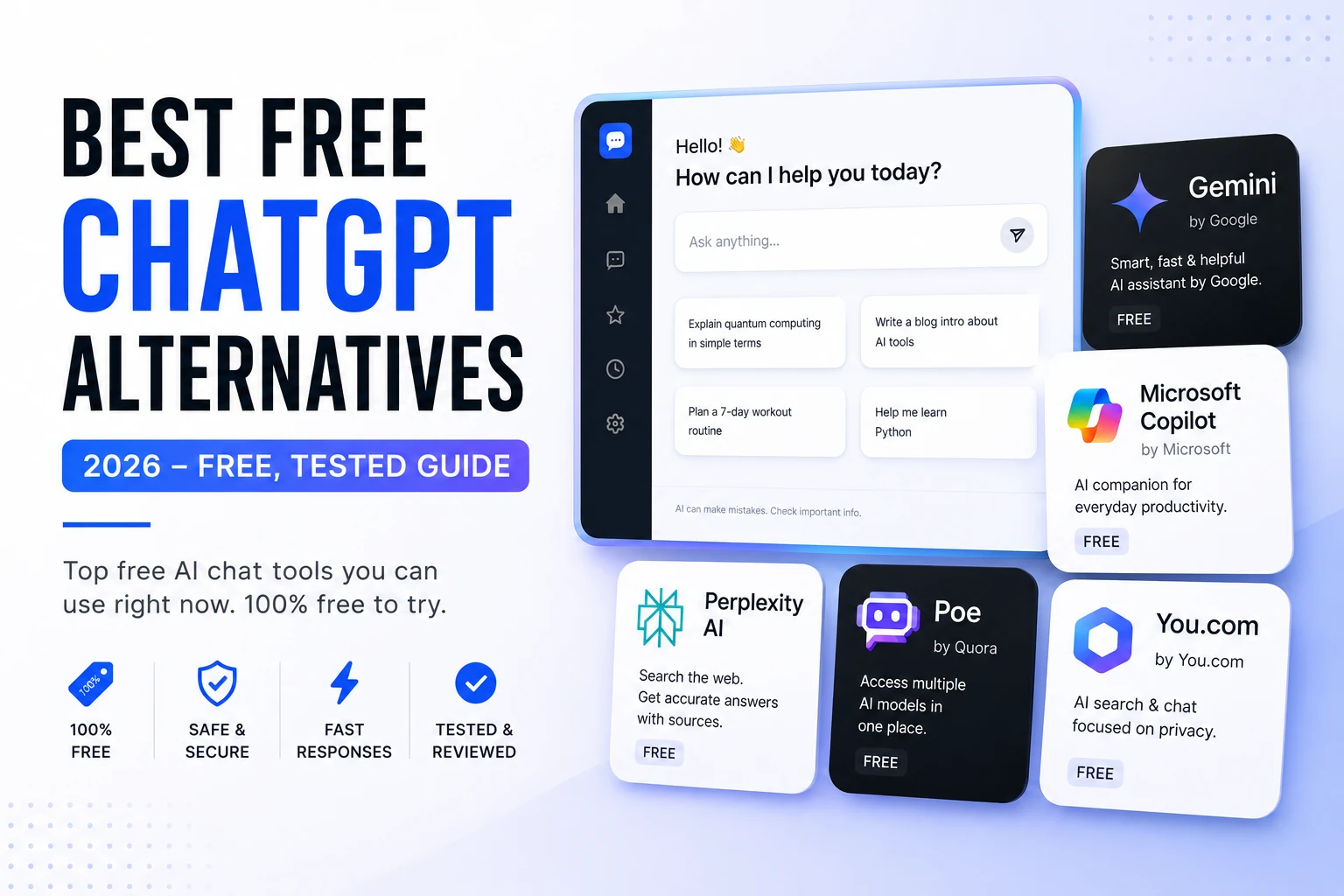
Best Free ChatGPT Alternatives 2026 – Free, Tested Guide
Discover the best ChatGPT alternatives in 2024. Compare Claude, Gemini, Perplexity, Copilot, Mistral, DeepSeek and more—free options, coding power, research
Read article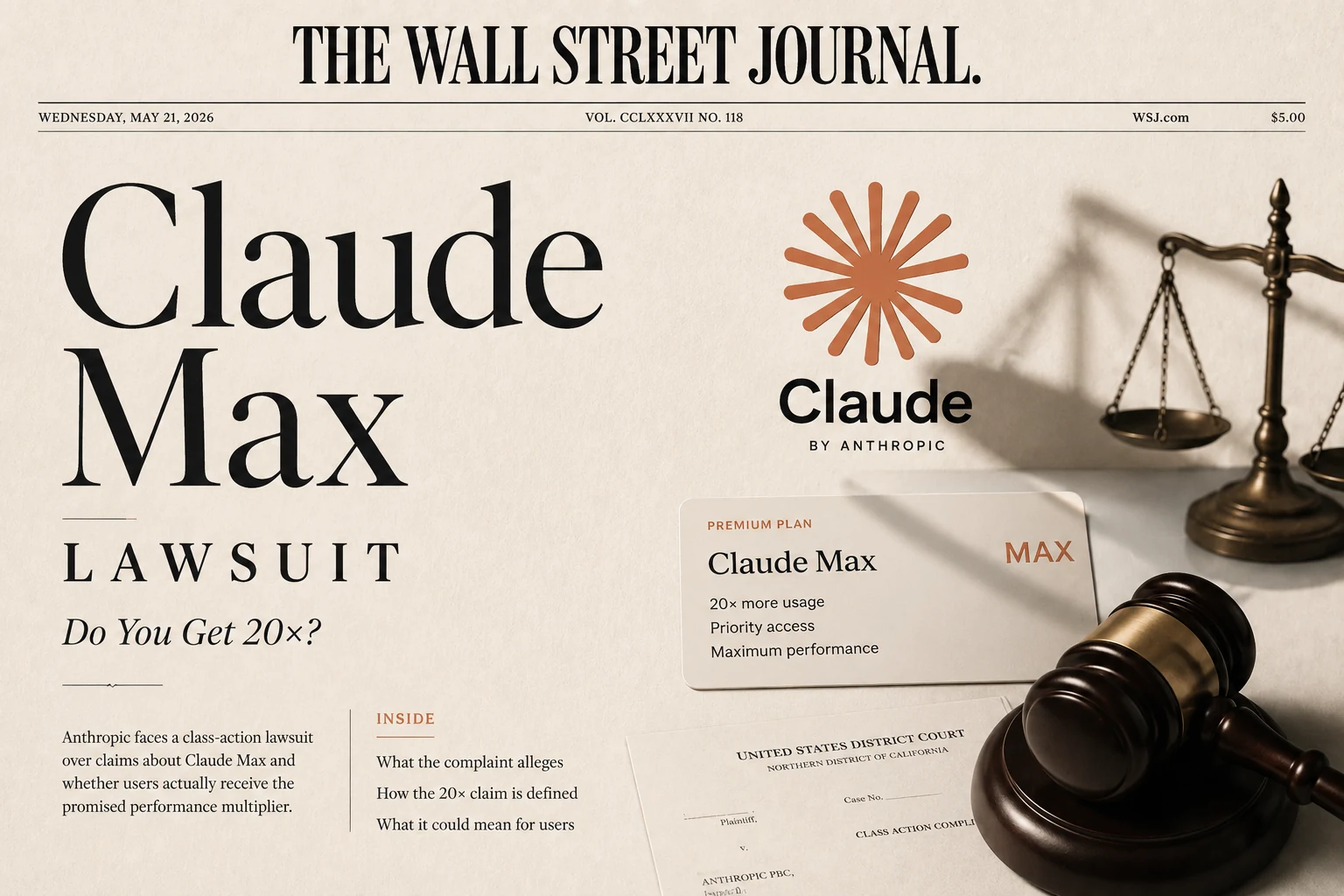
Anthropic Claude Max Lawsuit: Proven 20x Claims Explained
Anthropic Claude Max lawsuit says the 5x and 20x plans give far fewer tokens than advertised. See the claims, token limits, and if upgrading is worth it.
Read article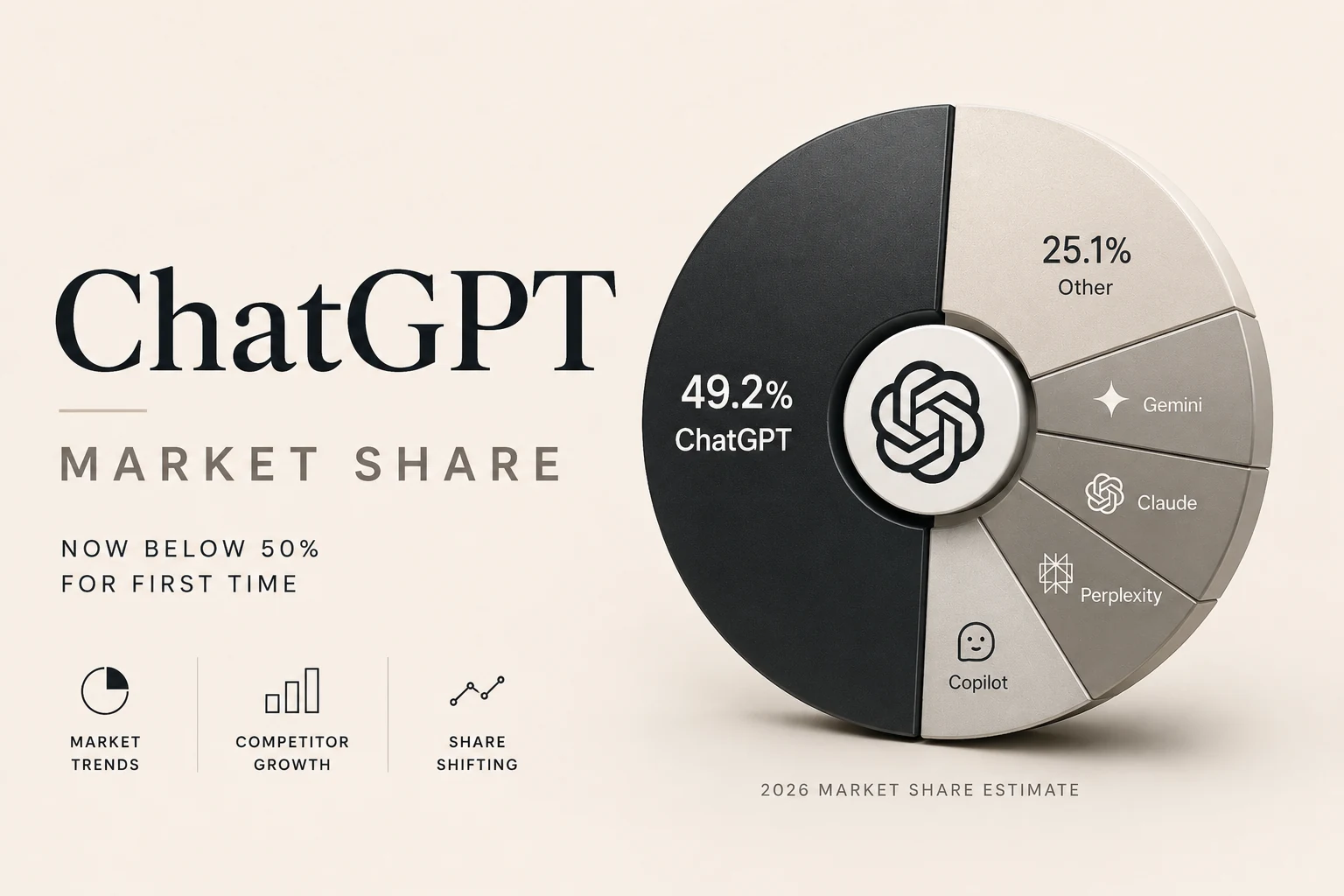
ChatGPT Market Share 2026: Free Look at the AI Landscape
Explore the chatgpt market share 2026 as it falls below 50%. See Sensor Tower data, Gemini’s rise, Claude’s growth, and what it means for users today online.
Read article