UTM Link Builder: Track Every Campaign Accurately
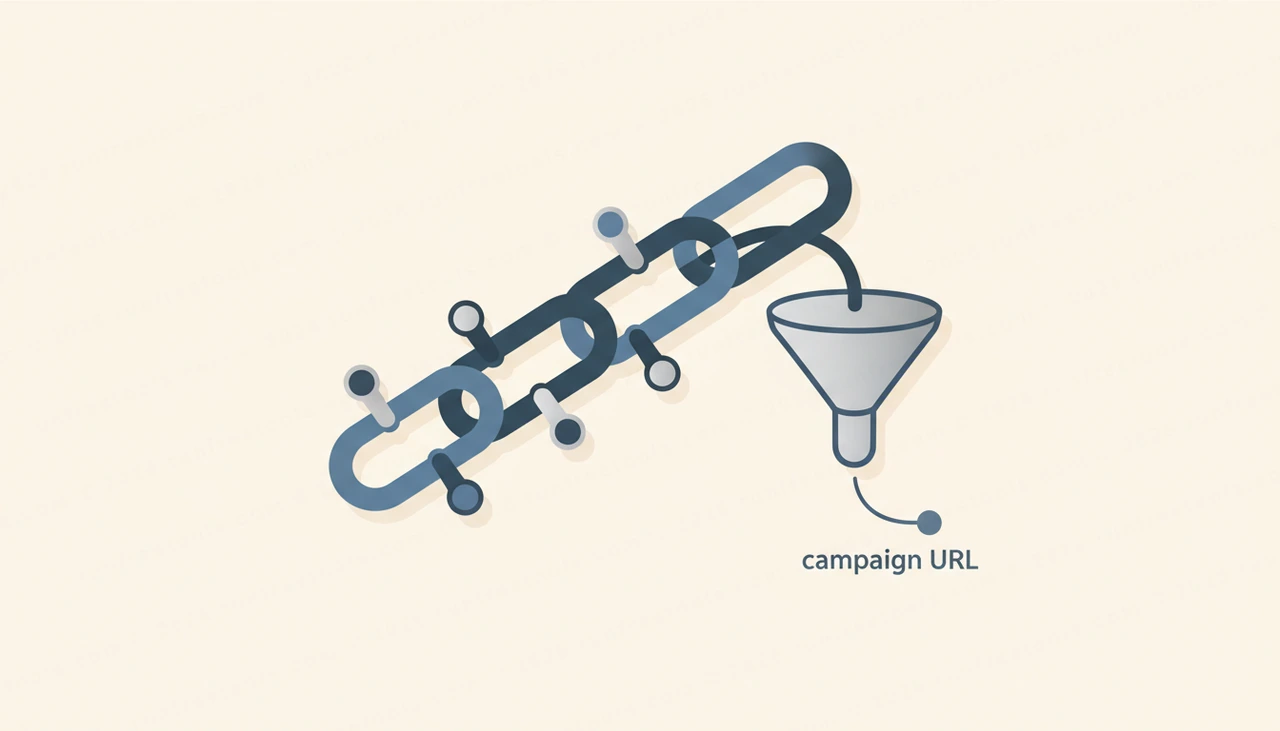
You launch a campaign across email, social and paid ads, then open your analytics and see a wall of direct and unattributed traffic. Without proper tags, you cannot tell what worked. A UTM link builder fixes that by labeling every link so your reports tell the real story.
UTM parameters are simple add-ons to a URL, but they are the backbone of campaign measurement. Used consistently, they reveal which channels earn clicks, which campaigns convert and where to spend your next dollar.
What UTM Parameters Are
UTM parameters are snippets appended to a URL after a question mark. Analytics platforms read them and slot each visit into the right bucket. The five standard parameters are utm_source, utm_medium, utm_campaign, utm_term and utm_content.
Source names the platform sending the traffic, such as newsletter or linkedin. Medium describes the type of channel, such as email, cpc or social. Campaign ties everything to a named initiative. Term captures paid keywords, and content distinguishes two variants of the same link, like two buttons in one email.
Why You Need a UTM Link Builder
Building UTM links by hand is tedious and error-prone. One typo, one capitalized letter, one stray space, and the visit lands in the wrong report. A UTM link builder enforces a clean structure so every link you ship is consistent and valid.
A builder also speeds up collaboration. When a whole team uses the same UTM Link Builder, everyone produces links that follow the same convention. That shared discipline is what makes your analytics trustworthy instead of a tangle of near-duplicate source names.
How to Build a UTM Link Step by Step
Tagging a URL takes well under a minute:
- Open the UTM Link Builder and paste the destination URL you want to track.
- Enter the source, such as the name of the newsletter or ad platform sending the click.
- Choose the medium, such as email, social or cpc, keeping it consistent with past campaigns.
- Name the campaign clearly, like spring-sale-2026, so it is easy to find later.
- Add term and content values if you need to distinguish keywords or link variants, then copy the finished URL.
The UTM Link Builder assembles the parameters in the correct order and encoding, so you can paste the link straight into your campaign.
Naming Conventions That Keep Data Clean
The single biggest cause of messy UTM data is inconsistent naming. Analytics is case sensitive, so Facebook, facebook and FaceBook become three separate sources. Pick one convention and stick to it.
A reliable approach looks like this:
- Use lowercase for every value
- Replace spaces with hyphens rather than leaving gaps
- Keep a short, fixed vocabulary for medium, such as email, social and cpc
- Drop the .com from source values to keep them tidy
- Document your conventions so the whole team follows them
Consistency is not glamorous, but it is the difference between reports you can act on and reports you have to clean up first.
Common UTM Mistakes to Avoid
Watch out for these recurring problems:
- Tagging internal links, which restarts sessions and corrupts attribution
- Inconsistent casing or spelling that splits one source into many
- Forgetting to fill in medium, which leaves campaigns hard to group
- Overloading every link with five parameters when three would do
- Sharing un-tagged links for a campaign you intended to measure
Routing every campaign URL through the UTM Link Builder is the simplest way to dodge all of these, because the structure is built in.
Turning UTM Data Into Decisions
Tagging links is only the start. The payoff comes when you open your analytics and slice traffic by source, medium and campaign. Suddenly you can see that one newsletter outperforms paid social, or that a particular ad creative drives most of your conversions.
Use that insight to reallocate budget and effort. Double down on the channels and campaigns that produce results, and rethink the ones that do not. Clean UTM data turns guesswork into a clear feedback loop.
The same data also sharpens your reporting to stakeholders. Instead of saying a campaign drove some traffic, you can show precisely which source, medium and creative produced the sessions and conversions that mattered. When that attribution is tied back to revenue, the value of consistent tagging becomes obvious: it is the foundation that lets every later analysis hold up. A spreadsheet of campaign links built from one shared convention is a small investment that pays off every reporting cycle.
Tag Smarter From Today
UTM parameters cost nothing and unlock everything when it comes to understanding your traffic. The trick is consistency, and a UTM link builder is the easiest way to guarantee it across every campaign you run.
Start tagging your links with the UTM Link Builder, then explore our other free SEO tools to sharpen the rest of your marketing stack.
Frequently asked questions
What are UTM parameters and what do they do?
UTM parameters are tags you add to the end of a URL so analytics tools can attribute a visit to a specific source, medium and campaign. They turn a plain link into a labeled link, which lets you see exactly which email, ad or post drove each session and conversion.
What are the five UTM parameters?
They are utm_source, utm_medium, utm_campaign, utm_term and utm_content. Source, medium and campaign are the essential three, while term is mainly for paid keywords and content helps you tell apart two links that point to the same page.
Why is consistent UTM naming so important?
Analytics treats Email and email as two different sources, so inconsistent casing or spelling fragments your reports. Sticking to lowercase values with hyphens, enforced through a UTM link builder, keeps your data clean and comparable across campaigns.
Should I use UTM parameters on internal links?
No. Adding UTMs to links between pages on your own site restarts the session and distorts attribution, making your own pages look like traffic sources. Reserve UTMs for inbound links from emails, ads and external posts.
Share this article
Send it to a teammate or save the link for later.