Unix Timestamp Converter Guide: Epoch Time to Dates
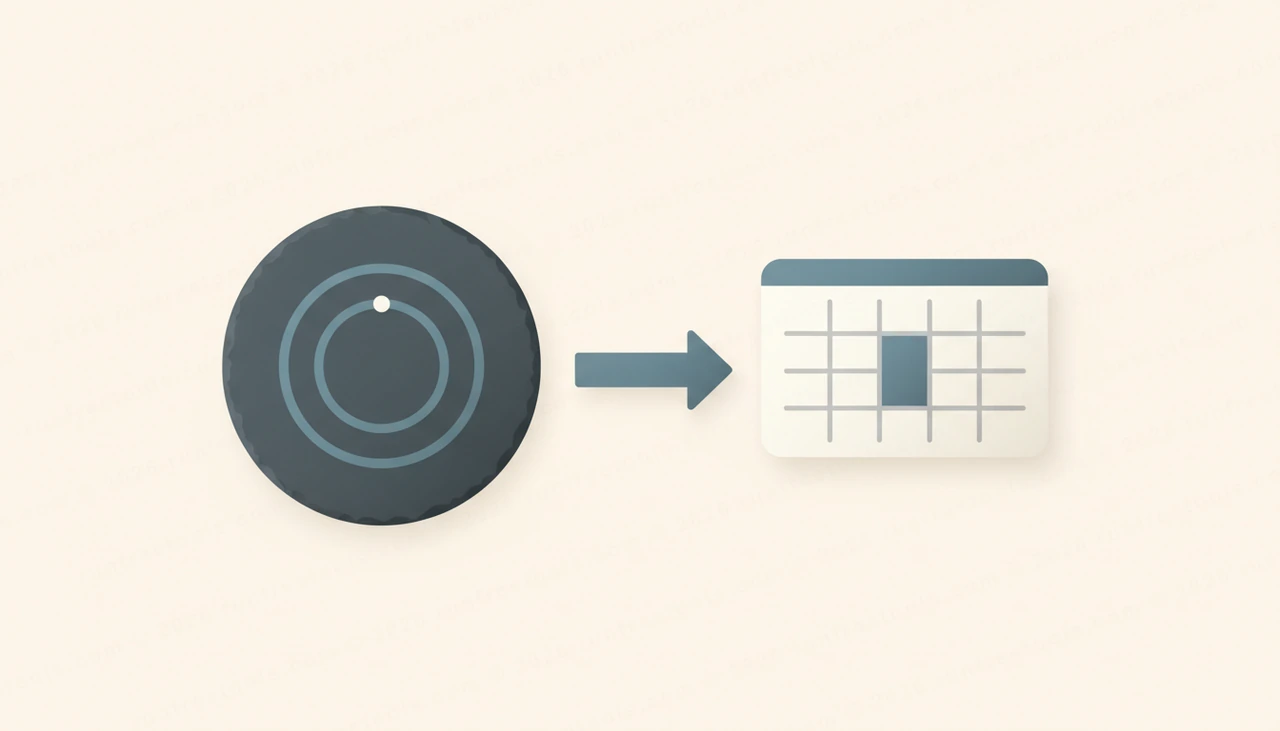
Computers need a simple, unambiguous way to mark when something happened, and counting seconds from a fixed starting point turns out to be the cleanest answer. That count is the Unix timestamp, and it sits underneath nearly every log line, database record, and API response you will ever touch.
What Epoch Time Really Is
A Unix timestamp is the number of seconds that have passed since a single agreed-upon moment: midnight at the start of January 1, 1970, measured in Coordinated Universal Time. That moment is called the Unix epoch. Every instant since then is just a larger number, and instants before it are negative.
The beauty of this scheme is that it reduces all the messiness of calendars, time zones, and daylight saving to one integer. There is no ambiguity about format, no question of which day comes first, and no locale to worry about. Two systems anywhere on Earth can exchange a timestamp and agree precisely on the instant it refers to, which is exactly what distributed software needs.
Seconds, Milliseconds, and a Common Trap
The classic Unix timestamp counts whole seconds, but plenty of platforms want finer resolution and count milliseconds instead, making the number roughly a thousand times larger. Some go further into microseconds. This is the single most common source of confusion when working with timestamps. If you convert a value and land in the wrong decade, the usual cause is a mismatch between seconds and milliseconds. The Unix Timestamp Converter helps you sanity check by showing a readable date, so an absurd result immediately flags the wrong unit.
How to Convert a Timestamp Step by Step
Working with the Unix Timestamp Converter is direct in both directions.
- Open the tool, which also shows the current live timestamp ticking forward.
- To turn a timestamp into a date, paste the number and read the human-readable result in both your local time and universal time.
- To go the other way, enter a date and time and get the matching timestamp.
- Copy whichever value you need for your log, query, or code.
Seeing both the local and universal interpretations side by side removes the guesswork that timezones usually introduce.
Why Timezones Matter Only at Display Time
A frequent point of confusion is whether a timestamp carries a timezone. It does not. The number itself always refers to an instant in universal time. Timezones enter the picture only when you translate that instant into a human-readable clock reading, because the same moment is breakfast in one country and dinner in another.
This separation is a feature, not a bug. By storing instants as timezone-free timestamps and only applying a timezone when displaying them, software avoids a whole category of bugs around daylight saving and regional offsets. The converter makes this concrete by showing you the same timestamp rendered in more than one frame of reference at once.
Common Uses for Timestamp Conversion
Timestamps appear constantly in development work, and converting them is a routine need.
- Reading log files, where entries are stamped with epoch values you need to translate into real times.
- Debugging API responses that return timestamps rather than formatted dates.
- Inspecting database records whose date columns are stored as integers.
- Setting expiration times for tokens or cache entries, which are often expressed as timestamps.
- Coordinating events across systems in different regions using a single unambiguous value.
The Year 2038 and Other Edge Cases
It is worth knowing a couple of historical quirks. Systems that store timestamps in a signed 32-bit number will run out of room in early 2038, when the value can no longer increase. This is the year 2038 problem, and modern systems address it by using a wider 64-bit number that pushes the limit unimaginably far into the future. You may also encounter negative timestamps, which simply represent dates before 1970. Awareness of these cases helps you interpret unusual values correctly.
Privacy and Local Processing
Timestamps often come straight from internal logs, private databases, or pre-release systems. Pasting those into an unknown online converter quietly shares information about your infrastructure. The Unix Timestamp Converter runs entirely in your browser, so the values you convert never cross the network. You can work with timestamps from sensitive logs without any of them leaving your machine.
Practical Tips
A few habits make timestamp work smoother:
- Always confirm whether a value is in seconds or milliseconds before trusting a conversion.
- When storing times, prefer universal time and convert to local only for display.
- Keep the live timestamp handy when you need a current value for testing.
Wrapping Up
Unix timestamps compress all the complexity of dates and timezones into one clean number, which is why they are everywhere in software. Whenever you need to translate between epoch time and human dates, the Unix Timestamp Converter does it instantly in your browser. Explore the other free developer tools for more handy utilities.
Try the tool from this guide
Unix Timestamp Converter
Convert epoch timestamps to dates.
Open Unix Timestamp ConverterFrequently asked questions
What is a Unix timestamp?
It is the number of seconds that have elapsed since the start of January 1, 1970, in Coordinated Universal Time. This moment is called the epoch, and counting from it gives a single number that represents any instant in time.
Why are some timestamps in seconds and others much longer?
Standard Unix timestamps count seconds, but many systems use milliseconds for finer precision, which makes the number about a thousand times larger. If a converted date looks wildly wrong, you probably have the wrong unit.
Do timestamps depend on timezone?
The timestamp itself does not. It always represents an instant in universal time. Timezones only matter when you display that instant as a human-readable date, which is why the same timestamp shows different clock times around the world.
Is my data sent to a server?
No. All conversions happen in your browser. The timestamps and dates you enter never leave your device, so you can work with values from private logs without exposing them.
Share this article
Send it to a teammate or save the link for later.