AI vs Human Intelligence: Ultimate Strengths Guide


Answer‑capsule: AI vs Human Intelligence compares two very different ways of solving problems—one built on massive data crunching, the other on lived experience and emotion. Understanding where each excels helps professionals pair speed with insight for optimal outcomes.
Introduction: Two Different Minds
Artificial intelligence (AI) refers to computer systems that can learn from data, recognize patterns, and make predictions without explicit programming. Human intelligence, by contrast, emerges from millions of years of evolution, blending perception, emotion, and cultural context. While AI can process billions of calculations per second, humans bring common‑sense reasoning, ethical judgment, and creative imagination. Recognizing these complementary qualities is the first step toward a productive partnership.
AI vs Human Intelligence: Core Strengths of Machine Intelligence
| Capability | What Machines Do Well | Why It Matters |
|---|---|---|
| Speed & Scale | Analyze terabytes of data in seconds | Enables real‑time fraud detection, climate modeling, and personalized recommendations. |
| Pattern Recognition | Detect subtle correlations across disparate datasets | Powers image‑recognition, speech‑to‑text, and predictive maintenance. |
| Consistency | Perform repetitive tasks without fatigue | Guarantees uniform quality in data entry, quality‑control checks, and report generation. |
| Learning from Data | Continuously improve models as new data arrives | Keeps recommendation engines and language models up‑to‑date. |
These strengths are documented in multiple industry analyses. For instance, Codewave notes that AI is projected to add $15.7 trillion to global GDP by 2030, largely driven by its ability to automate data‑intensive processescodewave.com. The Intuit blog similarly highlights AI’s unparalleled capacity for rapid computation and pattern spotting
intuit.com.
AI vs Human Intelligence: Core Strengths of Human Cognition
| Capability | What Humans Do Well | Why It Matters |
|---|---|---|
| Contextual Understanding | Interpret ambiguous language, cultural nuance, and unstructured situations | Critical for negotiation, storytelling, and crisis management. |
| Emotional Intelligence | Recognize, empathize, and respond to feelings | Builds trust, motivates teams, and guides ethical decisions. |
| Creative Synthesis | Combine unrelated ideas into novel concepts | Fuels innovation in product design, art, and scientific breakthroughs. |
| Ethical Reasoning | Weigh moral implications and societal impact | Ensures responsible AI deployment and compliance with regulations. |
The Conversation argues that focusing solely on performance metrics misses the point of human intelligence, which is rooted in meaning‑making and moral judgmenttheconversation.com, while the University of Texas Health Science Center emphasizes that humans excel in contextual and ethical domains that machines cannot replicate
sbmi.uth.edu.
Where Machines Shine in the Workplace
- Data Mining & Analytics – AI can sift through millions of transaction records to flag anomalies faster than any analyst.
- Customer Service Automation – Chatbots handle routine inquiries 24/7, freeing agents for complex cases.
- Content Drafting – Tools like the AI Blog Writer generate first‑draft articles, which writers then refine.
- Predictive Maintenance – Sensors feed data to AI models that forecast equipment failures before they happen.
Where Humans Remain Unmatched
- Strategic Decision‑Making – Leaders must consider market dynamics, stakeholder values, and long‑term vision.
- Ethical Oversight – Humans evaluate bias, privacy, and fairness in AI outputs.
- Creative Storytelling – Crafting brand narratives that resonate emotionally still relies on human intuition.
- Relationship Building – Trust is earned through genuine human interaction, not algorithmic responses.
Real‑World Impact: Numbers That Speak
- Economic Contribution – AI’s projected $15.7 trillion boost to GDP underscores its macro‑level influence.
- Productivity Gains – A 2025 enterprise survey found 75 % of workers reported faster or higher‑quality output when using AI, with many saving 40‑60 minutes per day
openai.com.
- Adoption Rate – Gallup research shows nearly 4 in 10 employees say their organization has integrated AI into daily workflows
gallup.com.
These statistics illustrate that AI is not a distant future but a present‑day catalyst for efficiency.
Blending the Two: A Practical Blueprint
- Identify Repetitive Tasks – Map processes that involve data entry, routine analysis, or standard communication. Deploy AI models or automation tools for these steps.
- Insert Human Review Points – After AI generates output (e.g., a draft article), have a subject‑matter expert edit for tone, accuracy, and brand voice. The AI Humanizer can assist in making machine‑written text sound more natural before the final human polish.
- Leverage AI‑Assisted Insight – Use AI analytics to surface trends, then let strategists interpret the findings within the broader business context.
- Establish Ethical Guardrails – Create cross‑functional committees to audit AI decisions for bias and compliance.
- Iterate Continuously – Collect feedback from both AI performance metrics and human satisfaction surveys to refine the workflow.
By following this hybrid approach, organizations capture the speed of machines while preserving the nuance and judgment that only people can provide.
Illustration: Hybrid Workflow Diagram

Alt text: Flowchart depicting AI data processing, human validation, and feedback loop.
Frequently Asked Question: Do AI and human intelligence compete or collaborate?
The short answer is collaboration. While headlines often frame the relationship as a competition, most experts agree that the real value lies in augmented intelligence—using AI to amplify human capabilities rather than replace them. This perspective aligns with findings from the University of Texas Health Science Center, which emphasizes that each excels in distinct domains and that joint systems outperform either alonesbmi.uth.edu.
Future Outlook: Toward Integrated Cognition
Looking ahead, the line between machine and human problem‑solving will blur. Emerging technologies such as brain‑computer interfaces and neuromorphic chips aim to emulate neuronal processes, while advances in explainable AI (XAI) strive to make algorithmic reasoning transparent to humans. However, the core attributes of empathy, moral judgment, and creative imagination are unlikely to be fully replicated by code.
Organizations that embrace a partnership mindset—treating AI as a teammate rather than a threat—will enjoy higher productivity, better employee satisfaction, and stronger ethical standing. As AI continues to evolve, the most successful strategies will be those that leverage the best of both worlds.
By Alex Rivera
Alex Rivera is a senior AI strategist at RunFreeTools, specializing in the practical integration of intelligent automation within creative workflows. He holds a master’s degree in Human‑Computer Interaction and regularly contributes to industry publications on augmented intelligence.
Try the tool from this post
AI Resume Builder
ATS-optimized resume in 60 seconds.
Open AI Resume BuilderFrequently asked questions
AI can process massive datasets in seconds, spot hidden patterns, and maintain consistent performance without fatigue, making it ideal for analytics, forecasting, and real‑time monitoring.
Humans bring contextual awareness, ethical reasoning, and creative synthesis—abilities that current AI systems lack because they depend on pre‑programmed data and lack genuine understanding.
Begin by automating repetitive tasks (e.g., email sorting, basic reporting) with tools like the AI Email Writer, then have staff review and personalize the output to maintain brand voice and quality.
Ethical oversight ensures AI outputs are unbiased, privacy‑respecting, and aligned with organizational values, preventing unintended consequences and building stakeholder trust.
Experts argue that while AI may exceed human speed and accuracy in specific tasks, it is unlikely to replicate the full spectrum of human consciousness, emotion, and moral judgment【https://www.infosys.com/iki/techcompass/ai-surpass-human-intelligence.html】.
Sources
Share this article
Send it to a teammate or save the link for later.
Related tools
Related articles
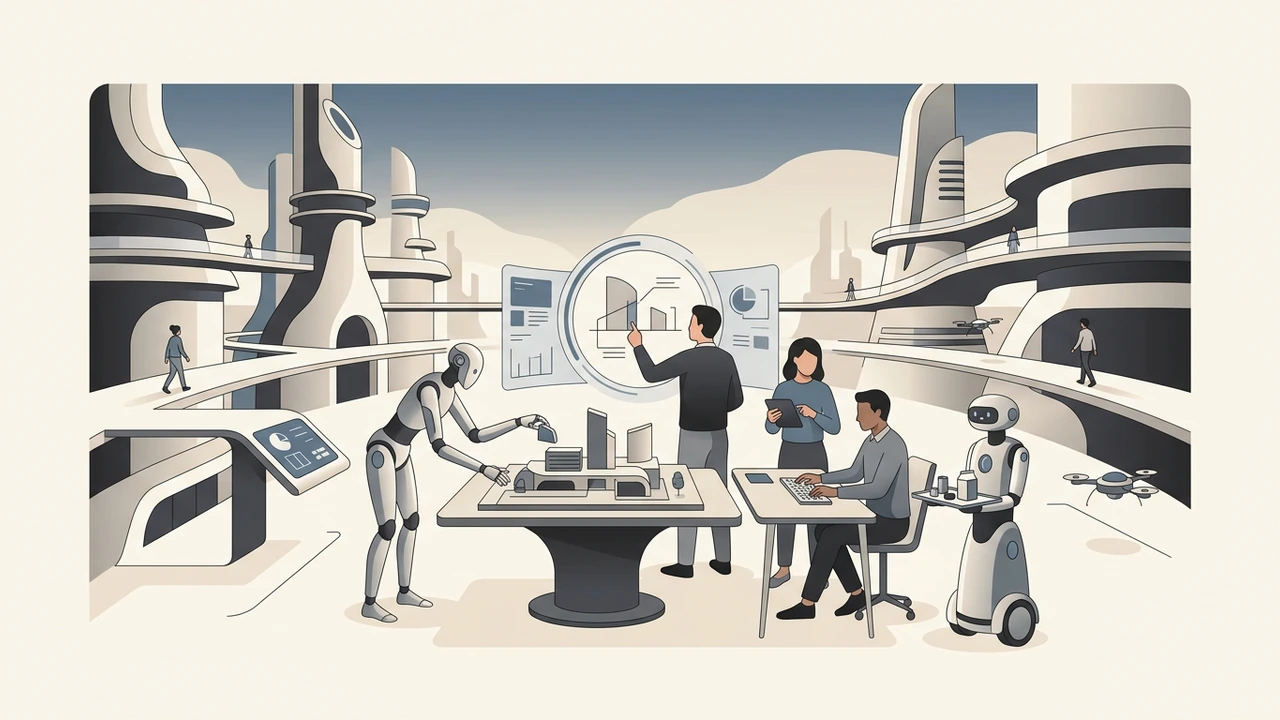
AI products: The Best Tools Transforming Every Industry
Explore the top AI products transforming healthcare, finance, education, and fields. Learn how free tools boost productivity, cut costs, and drive innovation.
Read article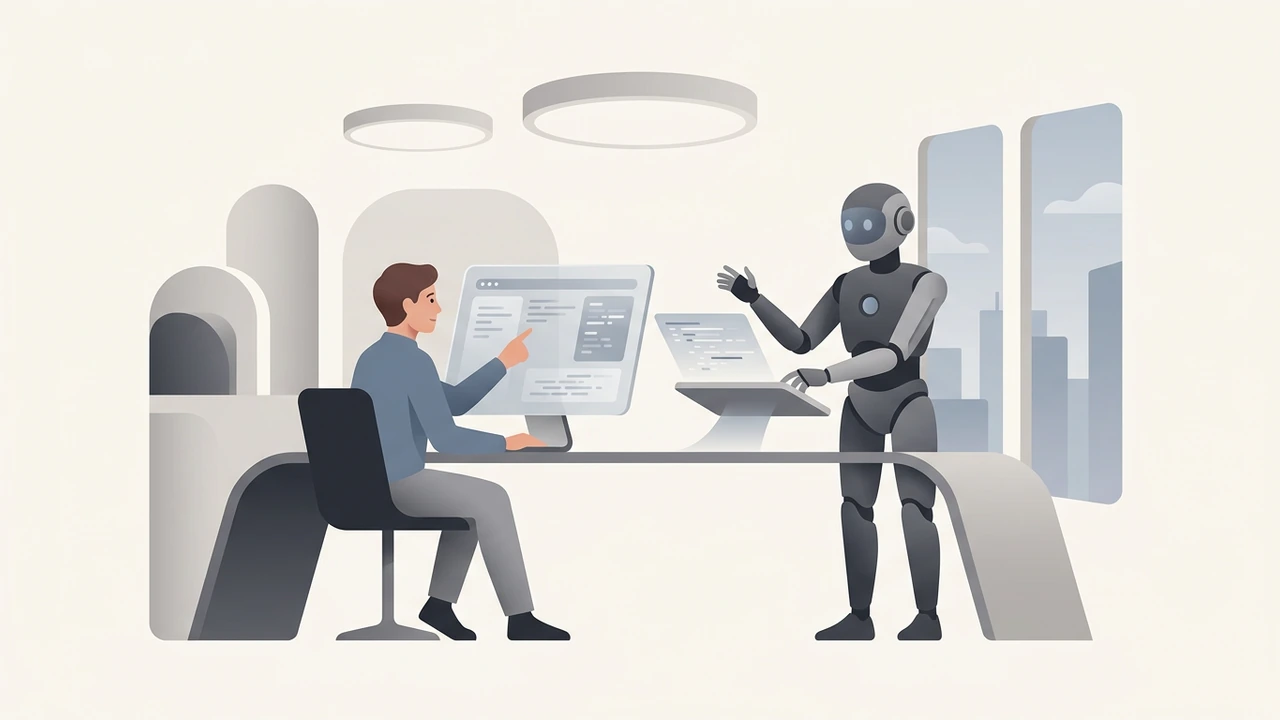
AI startups: The Best 25 Emerging Companies to Watch
Discover 25 AI startups set for rapid growth, key sectors, recent funding rounds, and real-world impact. See how these innovators reshape technology today.
Read article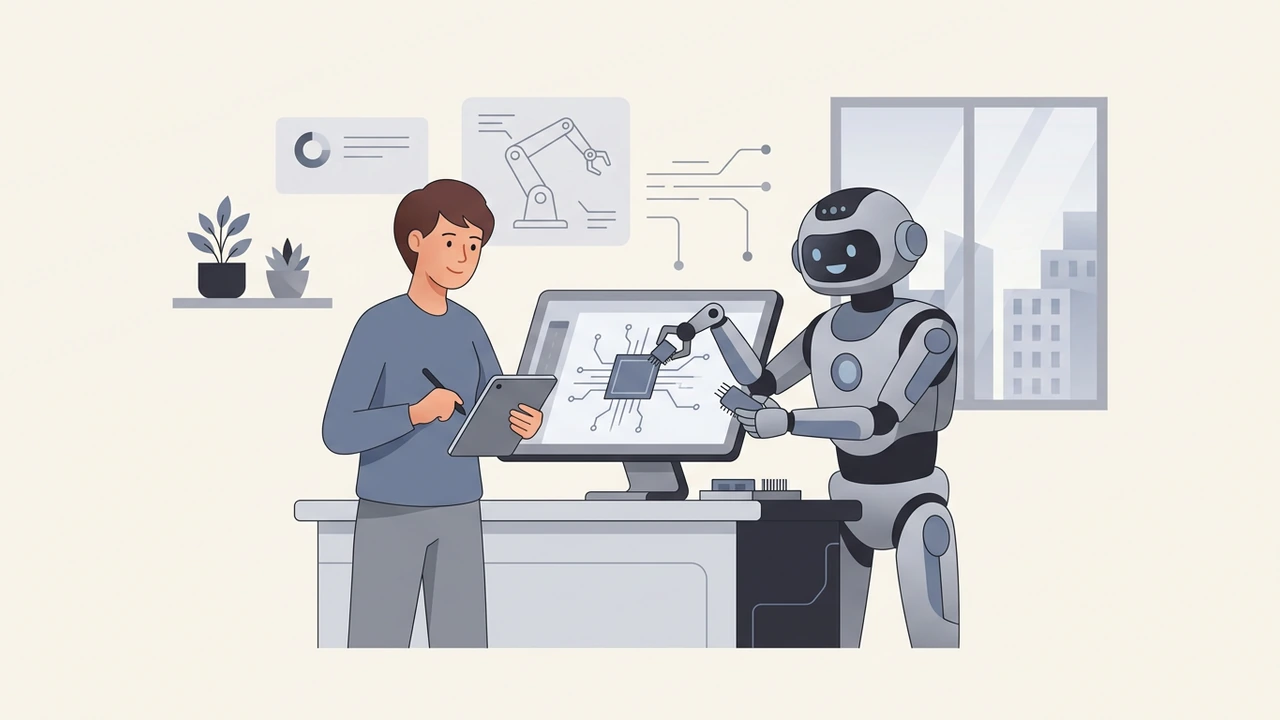
AI companies: Ultimate Picks for the Next Billion‑Dollar Wave
Explore AI companies set to become the next billion‑dollar giants. Get sector insights, market stats, and see how free RunFreeTools can accelerate your growth.
Read article