SEO friendly content: The Ultimate 2026 Guide to Rank Higher

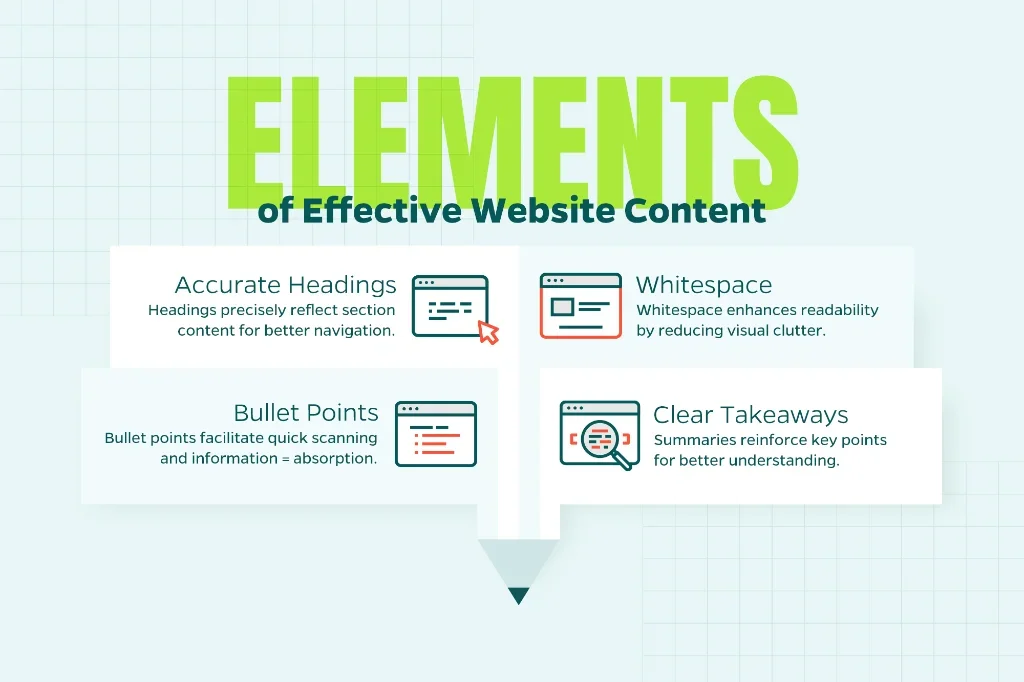
SEO friendly content is the backbone of any modern digital strategy. In 2026, search engines reward pages that answer real user questions, read naturally, and demonstrate expertise. This guide walks you through every step—from intent research to AI‑assisted drafting—so you can produce content that ranks, converts, and builds lasting authority.
Written by Sarah Thompson, SEO Specialist
SEO Friendly Content: Aligning with User Intent
Before you type a single word, ask yourself: What does the user really want?
- Informational – “what is SEO friendly content?”
- Navigational – “Yoast SEO friendly blog guide”
- Transactional – “buy AI content optimizer”
A study from Ahrefs shows that roughly 49 % of queries are purely informational, while 19 % seek a specific angle such as health benefits or step‑by‑step instructionsahrefs.com. Aligning your outline with the dominant intent ensures you capture the largest audience segment.
Quick intent‑check checklist
- Run the primary keyword through a SERP overview tool.
- Note the featured snippets, “People also ask,” and top‑ranking page types.
- Draft a headline and sub‑headings that mirror the most common user questions.
1. Why Search Intent Is the Starting Point
Before you type a single word, ask yourself: What does the user really want?
- Informational – “what is SEO friendly content?”
- Navigational – “Yoast SEO friendly blog guide”
- Transactional – “buy AI content optimizer”
A study from Ahrefs shows that roughly 49 % of queries are purely informational, while 19 % seek a specific angle such as health benefits or step‑by‑step instructionsahrefs.com. Aligning your outline with the dominant intent ensures you capture the largest audience segment.
Quick intent‑check checklist
- Run the primary keyword through a SERP overview tool.
- Note the featured snippets, “People also ask,” and top‑ranking page types.
- Draft a headline and sub‑headings that mirror the most common user questions.
2. Natural Language Beats Keyword Stuffing
Search algorithms now understand context better than ever. Treat keywords like seasoning—present, but never overwhelming. Write the way you’d explain the topic to a colleague, using synonyms and related terms to enrich the semantic field.
Example: Instead of repeatedly typing “SEO friendly content,” you can also use “search‑optimized copy,” “readable SEO text,” or “search‑engine‑friendly writing.”
Yoast explains that natural language improves readability scores and reduces bounce rates, both strong ranking signalsyoast.com.
3. Structuring for Humans and Crawlers
A scannable layout helps readers find answers fast and gives crawlers clear signals about your hierarchy.
| Element | Why it matters | Best practice |
|---|---|---|
| Title (H1) | Primary relevance | Include keyword at the start |
| Sub‑headings (H2‑H3) | Breaks content into digestible chunks | Use keyword or synonym in at least one sub‑heading |
| Bulleted/Numbered lists | Improves skimmability | Keep each bullet ≤ 2 lines |
| Short paragraphs | Reduces visual fatigue | 2–4 sentences per paragraph |
| Whitespace | Enhances readability | Add line breaks before new ideas |
4. Keyword Placement & Synonyms
- First sentence: Place the primary keyword naturally.
- One sub‑heading: Include the keyword or a close variant.
- Throughout the body: Use synonyms, LSI terms, and related questions.
Avoid exact‑match repetition; Google’s algorithm penalizes over‑optimization. Aim for a keyword density of 0.5 %–1 % and focus on semantic relevance instead.
5. Draft Faster with the Right AI Assistant
Creating a solid first draft can be time‑consuming. Our AI Blog Writer can generate a structured outline in minutes. Feed it:
- Your primary keyword and intent type.
- Target word count (1,200–1,500 words works well for in‑depth guides).
- A list of sub‑headings you drafted in the intent phase.
Once the draft is ready, run it through the AI Humanizer. This tool rewrites robotic phrasing, adds a conversational tone, and preserves factual accuracy—crucial for maintaining E‑E‑A‑T.
6. Polishing for Readability & E‑E‑A‑T
6.1 Author Attribution & Source Citations
Google values expertise. Include a short author bio with credentials and link to an “About” page if possible. Cite reputable sources inline—preferably .gov, .edu, or well‑known industry sites.
Example citation: According to the StraightNorth guide, readability should stay above a Flesch‑Kincaid score of 60 to keep users engaged
straightnorth.com.
6.2 Readability Tweaks
- Keep sentences under 25 words on average.
- Use active voice > 70 % of the time.
- Replace complex jargon with plain language unless your audience expects it.
6.3 Internal Linking Strategy
Link only when the destination adds immediate value. For this article, a single internal link to the AI Blog Writer is sufficient. Over‑linking dilutes link equity and can confuse readers.
7. Measuring Success & Ongoing Optimization
Traditional metrics like keyword density are outdated. Focus on user‑centric signals:
| Metric | What it tells you |
|---|---|
| Time on page | Content relevance & depth |
| Scroll depth | How far readers go before losing interest |
| CTR from SERP | Effectiveness of title & meta description |
| Conversion rate | Business impact of the content |
Use Google Search Console to monitor search intent shifts. If a query’s SERP starts showing more videos or product cards, consider updating the content to match the new format.
8. Common Mistakes to Avoid
- Over‑optimizing keywords – leads to penalties.
- Neglecting mobile readability – thin fonts and cramped layouts hurt UX.
- Skipping source attribution – weakens E‑E‑A‑T.
- One‑size‑fits‑all structure – different intents need different layouts (e.g., listicles vs. long‑form guides).
9. How Can You Ensure Your Content Stays SEO Friendly Over Time?
Search trends evolve, and Google updates its ranking algorithms regularly. To future‑proof your work:
- Audit every 6‑12 months for broken links, outdated statistics, and emerging intent signals.
- Refresh the intro with the latest keyword trends using tools like Ahrefs or SEMrush.
- Add new sections (e.g., “2027 predictions”) to keep the piece evergreen.
10. Conclusion
Creating SEO friendly content in 2026 is less about stuffing keywords and more about delivering clear, intent‑driven answers that humans love to read. By researching intent, writing in natural language, structuring for scannability, and leveraging AI tools responsibly, you’ll produce pages that rank, convert, and reinforce your brand’s authority.
Quick Reference Checklist
- Identify primary search intent.
- Craft a natural‑language opening sentence with the keyword.
- Use H2/H3 headings that reflect user questions.
- Keep paragraphs ≤ 4 sentences, sentences ≤ 25 words.
- Add at least two authoritative external citations.
- Include author bio and internal links sparingly.
- Publish, then monitor time‑on‑page, scroll depth, and CTR.
- Schedule a 6‑month content audit.
Ready to level up your writing? Try the AI Blog Writer for a fast first draft, then let the AI Humanizer add the human touch.
Frequently asked questions
Content that matches user intent, uses natural language, follows a clear hierarchy, cites reputable sources, and demonstrates author expertise (E‑E‑A‑T).
Include it once in the title, once in the opening sentence, and naturally in at least one sub‑heading; the rest of the article should rely on synonyms and related terms.
AI can generate drafts quickly, but a human must review for accuracy, brand voice, and E‑E‑A‑T compliance—especially using tools like the AI Humanizer.
Intent signals what the user truly wants; Google rewards pages that satisfy that need, whereas high keyword density can trigger spam penalties.
Perform a full audit every 6‑12 months, updating statistics, intent focus, and internal links to keep the page relevant and performant.
Sources
Share this article
Send it to a teammate or save the link for later.
More from RunFreeTools Team
AI SEO Optimization Fast Guide for 2026 Search Visibility
Boost rankings, citations, and Core Web Vitals with AI SEO optimization. Our 2026 guide offers proven schema and fast performance tools to win AI‑first search.
Read article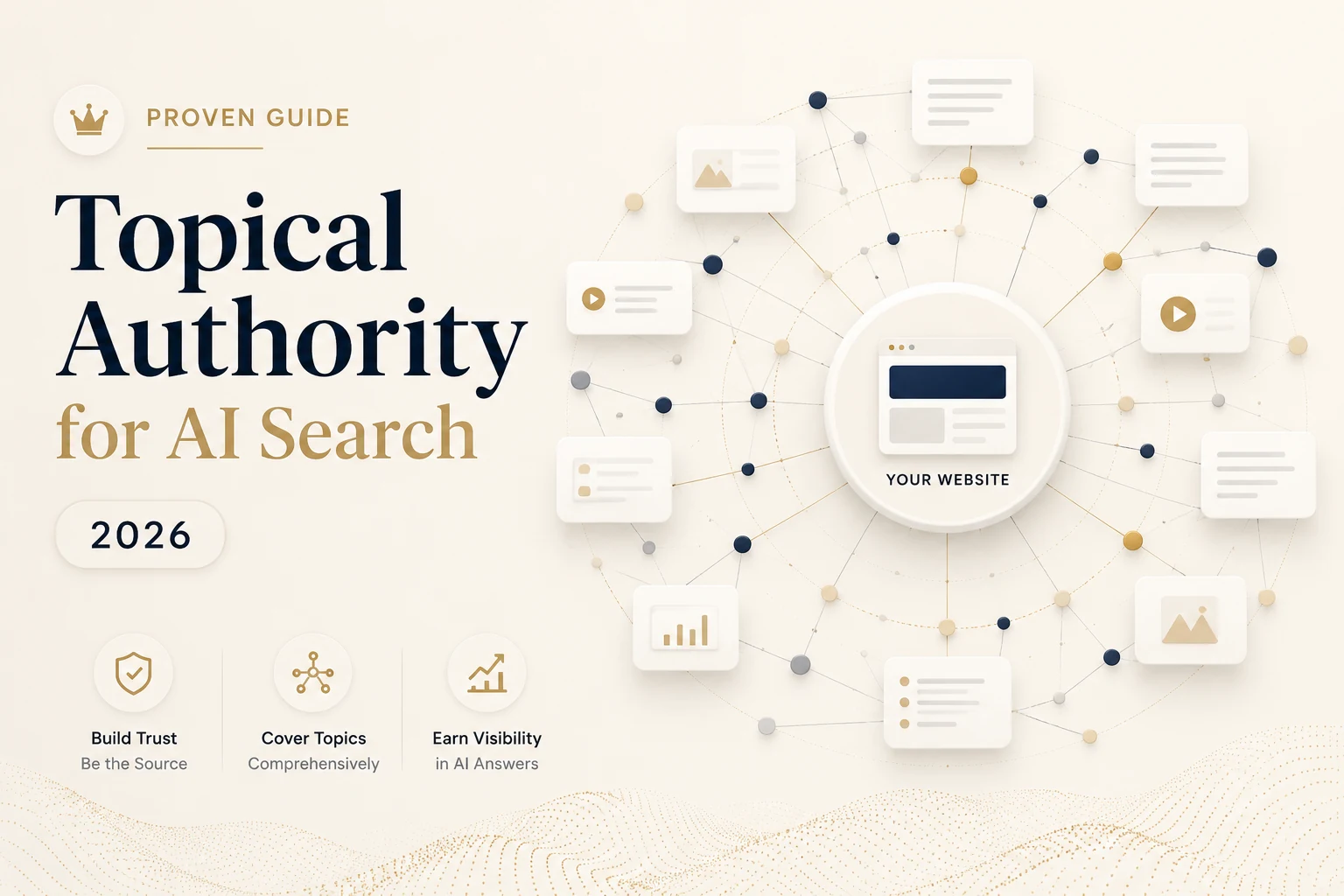
Topical Authority Proven Guide for AI Search 2026
Learn how to build topical authority in AI search with a step‑by‑step guide, real stats, and free RunFreeTools. Boost AI citations, traffic, and trust today.
Read article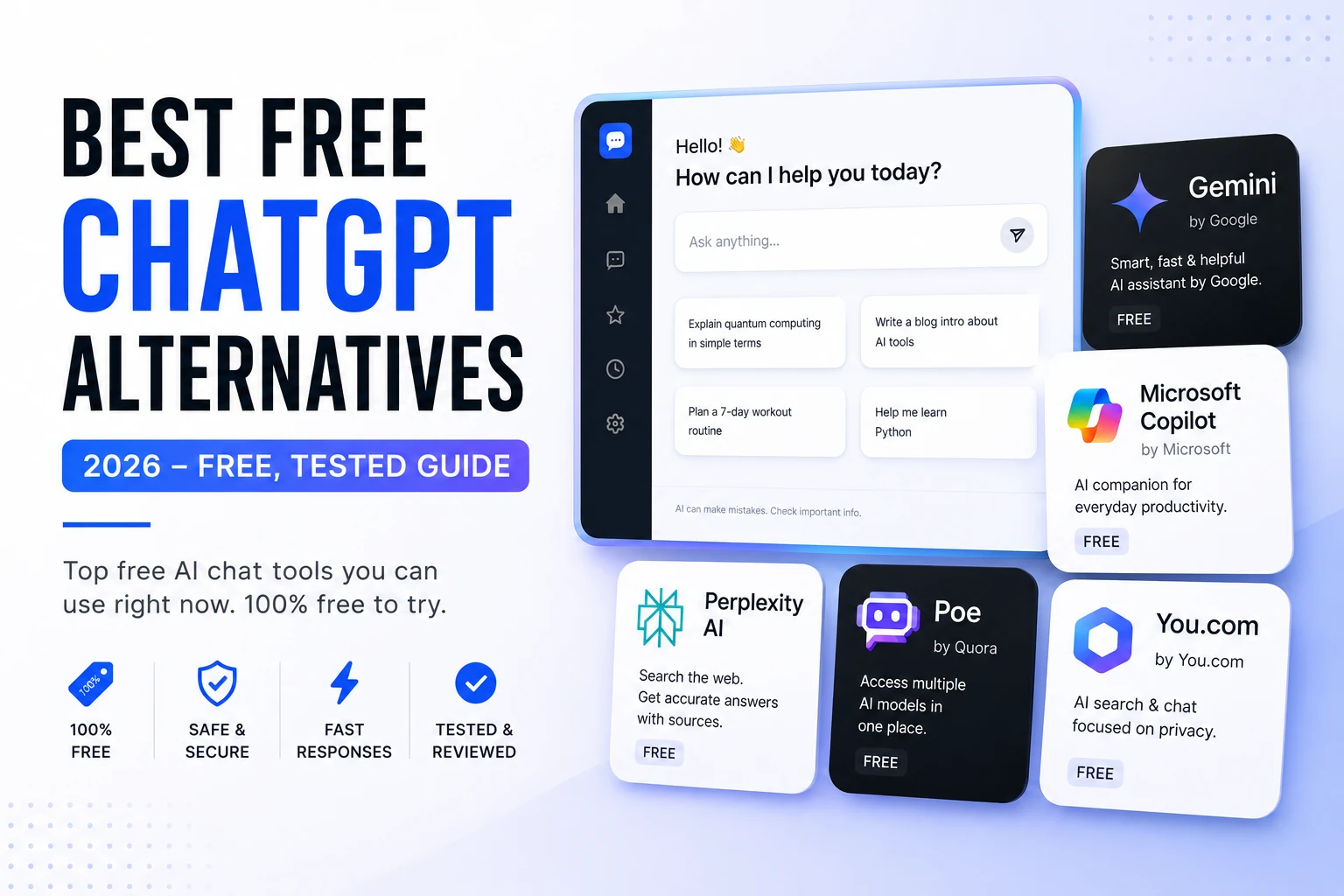
Best Free ChatGPT Alternatives 2026 – Free, Tested Guide
Discover the best ChatGPT alternatives in 2024. Compare Claude, Gemini, Perplexity, Copilot, Mistral, DeepSeek and more—free options, coding power, research
Read article